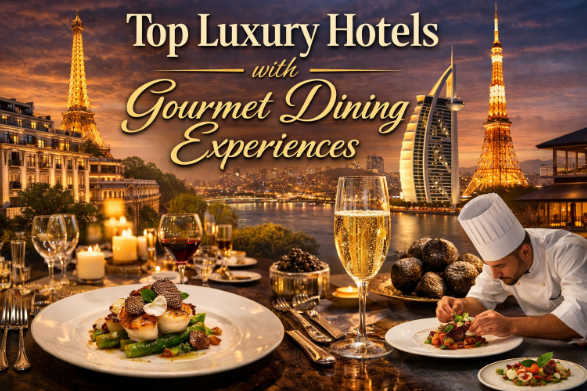
When people search for top luxury hotels with gourmet dining experiences, they are not just looking for a comfortable bed or a scenic infinity pool; they are chasing a complete sensory journey where fine dining, Michelin-star restaurants, celebrity chefs, and curated tasting menus become the centerpiece of their stay. In today’s competitive luxury travel market, culinary excellence is no longer an add-on amenity but a defining pillar of five-star hospitality branding. Travelers are increasingly choosing properties based on signature restaurants, farm-to-table concepts, wine pairings, and exclusive chef’s table experiences, because food creates memory, emotion, and identity. Think about it: a beautifully plated truffle risotto enjoyed under candlelight overlooking the ocean lingers far longer in memory than thread count sheets. The world’s most prestigious luxury resorts understand that gastronomic storytelling, culinary innovation, and destination-driven cuisine are what elevate a hotel from premium to iconic.
What Makes a Luxury Hotel Restaurant Truly Gourmet?
Not every high-end restaurant inside a five-star property qualifies as a true gourmet dining destination hotel. A genuine gourmet experience revolves around ingredient sourcing, culinary artistry, tasting menu precision, sommelier expertise, and immersive ambiance design. The difference lies in detail: seasonal ingredients flown in daily, partnerships with local organic farms, and chefs who treat plating like modern art. Guests expect multi-course tasting menus, wine cellar collections featuring rare vintages, and personalized dietary customization, all executed flawlessly. There is also an experiential component — open kitchens, chef interactions, curated culinary masterclasses, and themed gastronomic nights transform meals into interactive events. Luxury hotels that dominate global rankings consistently invest in award-winning culinary teams and Michelin-recognized chefs, reinforcing their brand authority in the premium hospitality segment. Gourmet dining is not about portion size or extravagance alone; it is about precision, creativity, and storytelling through flavor.
The Role of Michelin Stars and Culinary Awards
In the luxury hospitality ecosystem, Michelin stars, World’s 50 Best Restaurants rankings, and Forbes Travel Guide ratings serve as powerful trust signals for affluent travelers. When a hotel houses a Michelin-starred restaurant, it automatically elevates its brand positioning, room rates, and global prestige. Culinary accolades act as social proof that justifies premium pricing while attracting gastronomic tourists willing to travel across continents for a reservation. Many iconic properties integrate award-winning dining concepts directly into their marketing campaigns because culinary recognition drives high-value bookings, luxury honeymoon stays, and corporate VIP retreats. A Michelin-star restaurant inside a hotel does more than serve food; it builds international credibility and increases occupancy rates among affluent travelers who prioritize exclusive culinary experiences. For modern luxury travelers, booking a room without access to a top-tier gourmet restaurant feels like buying a sports car without the engine performance.
The Ritz Paris: A Temple of French Haute Cuisine
Few destinations embody luxury hotel gourmet dining in Europe like The Ritz Paris, home to L’Espadon, a restaurant long associated with fine French gastronomy and Michelin excellence. Dining here is not simply about food; it is about stepping into a legacy of culinary refinement that blends tradition with contemporary artistry. Guests indulge in meticulously crafted tasting menus featuring seasonal French ingredients, delicate sauces, and elegant wine pairings curated by master sommeliers. The restaurant’s atmosphere, with its opulent décor and polished service rituals, amplifies the sense of timeless sophistication. For travelers seeking Paris luxury hotels with Michelin-star dining, The Ritz stands as a benchmark, combining historic prestige with culinary innovation. The synergy between classic French haute cuisine and modern gastronomy ensures that every plate tells a story rooted in heritage yet executed with contemporary precision.
The Dorchester, London: Michelin-Star Brilliance
London’s luxury hospitality scene thrives on culinary excellence, and The Dorchester’s restaurant Alain Ducasse at The Dorchester has long symbolized Michelin-star prestige. This three-Michelin-star establishment redefines fine dining in London luxury hotels, offering meticulously structured tasting menus that celebrate premium seasonal produce. Each dish is presented with theatrical finesse, showcasing refined techniques and subtle flavor layering that reflects Ducasse’s culinary philosophy. Dining here feels like attending a masterclass in European gastronomy. Where every course unfolds like a chapter in a culinary novel. Guests who prioritize luxury hotels with gourmet tasting menus in the UK frequently select The Dorchester for its unwavering commitment to excellence. The restaurant’s reputation enhances the hotel’s overall brand authority, attracting international food connoisseurs and high-net-worth travelers seeking extraordinary dining experiences.
Four Seasons Hotel George V, Paris: A Culinary Powerhouse
If you are looking for a hotel that turns gourmet dining into an empire, the Four Seasons Hotel George V in Paris sets the gold standard. With multiple Michelin-starred restaurants under one roof, this property has become synonymous with ultra-luxury culinary experiences in Paris hotels. Guests can explore diverse gastronomic concepts. Ranging from refined French haute cuisine to innovative Mediterranean-inspired menus, all executed with flawless technique. The hotel’s culinary team prioritizes sustainable sourcing, artistic plating, and seasonal creativity. Ensuring that each dining experience feels exclusive and thoughtfully curated. This multi-restaurant approach positions the property as more than a hotel; it becomes a culinary destination in its own right. For travelers who plan vacations around food, George V offers a rare opportunity to experience several Michelin-star menus without ever leaving the property.
Mandarin Oriental Bangkok: Iconic Riverside Dining
In Asia’s luxury hospitality landscape, Mandarin Oriental Bangkok stands out for its refined gourmet riverside dining experiences. Overlooking the Chao Phraya River, the hotel’s signature restaurants combine elegant Thai flavors with international culinary techniques. Delivering a sophisticated fusion of tradition and innovation. Guests searching for luxury hotels in Bangkok with fine dining restaurants are drawn to its legendary service culture and beautifully curated tasting menus. The property integrates cultural storytelling into every dish, using locally sourced ingredients to reflect Thailand’s culinary heritage. Dining here feels immersive, where ambiance, music, river views, and cuisine blend seamlessly into a sensory narrative. It proves that gourmet dining in luxury hotels is not just about global prestige but also about honoring local identity while elevating it to world-class standards.
The St. Regis New York: Modern American Gastronomy
In the heart of Manhattan, The St. Regis New York represents the fusion of classic elegance and modern American gourmet cuisine. Travelers seeking luxury hotels in New York with gourmet dining often prioritize properties offering elevated culinary experiences paired with urban sophistication. The hotel’s dining venues emphasize premium cuts of meat. Refined seafood dishes, curated cocktail menus, and seasonal tasting experiences that reflect contemporary American gastronomy. In a city known for competitive dining, a luxury hotel must differentiate itself through innovation, consistency, and ambiance. The St. Regis achieves this balance by delivering exceptional service rituals. Curated wine programs, and elegant dining spaces that cater to business elites and culinary enthusiasts alike. The result is a hospitality experience where gourmet dining enhances the prestige of staying in one of New York’s most iconic addresses.
Burj Al Arab, Dubai: Extravagant Culinary Spectacle
Dubai has built its global image on architectural grandeur and over-the-top luxury, and Burj Al Arab perfectly embodies ultra-luxury hotel dining experiences in the Middle East. The hotel’s fine dining restaurants emphasize theatrical presentation, premium imported ingredients, and opulent interiors designed to impress. Guests indulge in multi-course tasting menus that incorporate international flavors, caviar selections, and rare seafood delicacies. Dining inside this architectural icon becomes part of the travel narrative, offering Instagram-worthy plating and skyline views that amplify the sense of exclusivity. For travelers exploring Dubai luxury hotels with gourmet restaurants, Burj Al Arab delivers both spectacle and substance. It proves that gourmet dining in luxury hospitality can be both artistic and bold, merging flavor complexity with visual drama.
Aman Tokyo: Minimalist Culinary Perfection
Aman Tokyo approaches gourmet dining from a different angle, focusing on minimalist design, seasonal Japanese ingredients, and refined culinary restraint. In a world where luxury often screams extravagance, Aman whispers sophistication through balance and purity. Guests searching for luxury hotels in Tokyo with gourmet Japanese cuisine discover an intimate culinary experience emphasizing harmony, texture, and seasonal authenticity. Kaiseki-inspired tasting menus highlight Japan’s respect for natural ingredients, while serene dining spaces enhance mindfulness and immersion. The hotel’s philosophy proves that gourmet dining does not always require flamboyant theatrics; sometimes, perfection lies in subtlety. Aman Tokyo’s culinary approach appeals to travelers who value cultural authenticity and refined craftsmanship over spectacle.
Comparing Iconic Luxury Hotels with Gourmet Dining
Below is a comparison of selected properties known for their exceptional gourmet dining experiences:
| Hotel | Location | Signature Culinary Highlight | Dining Style |
|---|---|---|---|
| The Ritz Paris | Paris | Michelin-star French haute cuisine | Classic French fine dining |
| The Dorchester | London | Three-Michelin-star tasting menus | Contemporary European |
| Four Seasons George V | Paris | Multiple Michelin-star restaurants | Multi-concept gourmet |
| Mandarin Oriental Bangkok | Bangkok | Riverside Thai-inspired gourmet | Cultural fusion fine dining |
| Burj Al Arab | Dubai | Ultra-luxury theatrical gastronomy | International haute cuisine |
| Aman Tokyo | Tokyo | Seasonal Japanese kaiseki menus | Minimalist Japanese elegance |
This comparison highlights how luxury hotel gourmet dining experiences vary globally while maintaining consistent standards of excellence.
Why Culinary Experiences Drive Luxury Travel Decisions
Modern travelers are no longer satisfied with standard hotel buffets or predictable menus. They actively seek destination dining, chef collaborations, and immersive gastronomic storytelling. Culinary tourism has become a driving force in luxury travel, influencing booking behavior, loyalty programs, and even social media visibility. Hotels that invest in gourmet dining consistently see higher guest satisfaction scores and repeat bookings among affluent demographics. Food becomes the emotional anchor of the stay. Encouraging guests to share their experiences online and recommend the property to peers. In the luxury segment, where differentiation is everything, gourmet dining serves as a powerful competitive advantage. It transforms a hotel stay into a curated lifestyle experience rather than a transactional overnight accommodation.
Conclusion: Where Luxury Meets Culinary Mastery
The world’s top luxury hotels with gourmet dining experiences understand that exceptional cuisine is the heartbeat of modern hospitality. From Michelin-starred French gastronomy in Paris to minimalist kaiseki elegance in Tokyo. Each property crafts a culinary identity that complements its brand narrative. Gourmet dining strengthens emotional connections, enhances brand prestige, and justifies premium pricing in the competitive luxury travel market. When you choose a luxury hotel based on its restaurant portfolio, you are investing in memory, artistry, and sensory immersion. The next time you plan a high-end getaway, ask yourself a simple question: is the dining experience just convenient, or is it unforgettable? Because in the world of true luxury, unforgettable is the only acceptable answer.
Frequently Asked Questions
1. What defines a luxury hotel with gourmet dining?
A luxury hotel with gourmet dining typically features Michelin-starred chefs, curated tasting menus. Premium ingredient sourcing, refined ambiance, and exceptional service standards that elevate the overall hospitality experience.
2. Are Michelin-star restaurants common in luxury hotels?
Yes, many top-tier luxury hotels house Michelin-starred restaurants as part of their brand strategy to attract affluent travelers and culinary tourists seeking exclusive dining experiences.
3. Why do travelers prioritize gourmet dining when booking hotels?
Culinary experiences create lasting memories, enhance social sharing appeal, and provide immersive cultural storytelling that enriches the overall luxury travel experience.
4. Which regions are best known for luxury hotel gourmet dining?
Paris, London, Tokyo, Bangkok, Dubai, and New York consistently rank among the world’s leading destinations for luxury hotels offering exceptional gourmet dining.
5. Does gourmet dining increase hotel room rates?
Yes, award-winning restaurants and celebrity chef partnerships often allow luxury hotels to command higher room rates due to increased brand prestige and perceived exclusivity.
Read More :